
By Dr. Richard Garza, Urology Austin
Meet Dr. Garza
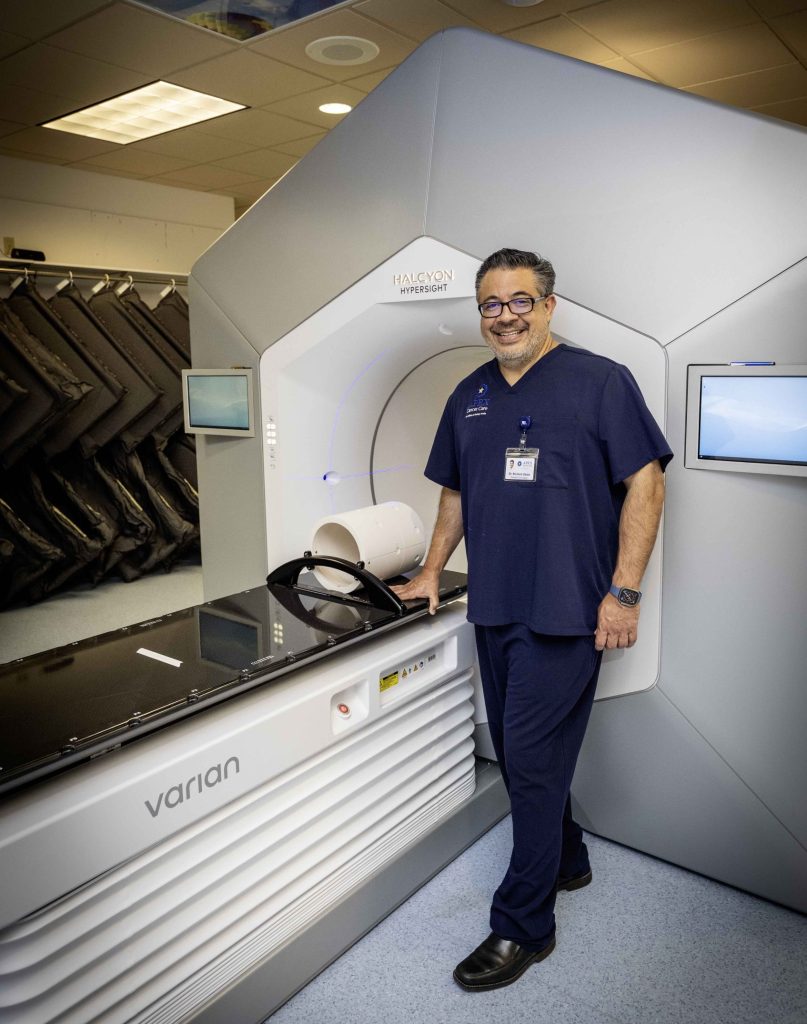
Dr. Richard Garza is a board-certified Radiation Oncologist with extensive experience treating prostate cancer and other malignancies. He trained at Loyola University Chicago, where he later served as Assistant Professor and Residency Program Director. Since joining Urology Austin’s Apex Cancer Care, Dr. Garza has treated more than 1,400 prostate cancer patients in Central Texas. Recognized as a “Top Doctor” and “Super Doctor,” he brings both clinical excellence and compassion to every patient interaction.
Going the Extra Mile During Radiation Therapy for Prostate Cancer
Many patients want to go the extra mile in their journey with radiation therapy for prostate cancer—and that means something different for everyone. Often, they want to know how to best prepare. Spouses frequently ask whether their partner should eat specific foods, take certain vitamins, or avoid particular habits. These are intuitive and important questions.
Ask the Right Questions
It may sound counterintuitive, but the most effective way to thrive during and after radiation therapy is to flip the questions. Instead of just asking what to eat or take, consider:
- What shouldn’t he eat?
- What vitamins or supplements should he avoid??
- What kind of exercise should he be doing?
The key to improved outcomes—reduced fatigue, enhanced mood, better bowel and urinary function, and possibly improved cancer control—lies in three things: avoiding excess calorie intake, avoiding unprescribed antioxidant vitamins during radiation therapy, and prioritizing weight-bearing exercise.
Why Exercise Matters
Growing evidence suggests that insulin resistance and obesity are risk factors for developing prostate cancer. Consuming excess calories can lead to insulin resistance, a condition often seen in prediabetics. Insulin resistance leads to a higher level of circulating insulin and growth factors like insulin-like growth factor, which may contribute to cancer progression. Since insulin resistance and obesity are the same root cause of the most common form of diabetes, we recommend the same heart-healthy diet a cardiologist or endocrinologist would recommend, and to stay within your personalized calorie budget. Men with prostate cancer should not eat beyond their calorie budget.
The Right Mix of Vitamins
High doses of antioxidant supplements—such as vitamin C, vitamin E, or beta-carotene—may interfere with radiation therapy or chemotherapy by protecting cancer cells. Radiation therapy works through an oxidative process. This means radiation therapy relies on creating free radicals (oxidation) to damage the DNA of cancer cells. Antioxidants work against that cancer-killing process. In reality, it is very hard to work against radiation therapy with vitamins, but we do recommend stopping unprescribed antioxidant vitamins as a precaution.
Exceptions are prescribed antioxidants that are prescribed for medical conditions, such as eye vitamins for macular degeneration. Certain supplements can potentially lower PSA, but that does not translate into killing the cancer. The antioxidants you ingest through heart-healthy whole fruits and vegetables are extremely safe and not considered high doses. Men with prostate cancer should take non-prescribed antioxidants.
Don’t Wait to Exercise
One of the biggest mistakes patients make is not exercising or waiting to start exercising after radiation is completed. Remember that exercise is something we should be doing even if we are not diagnosed with cancer. After a month or two of no exercise, you are going to be deconditioned, leading to weight gain, fatigue, and shortness of breath on exertion.
Exercise during radiation therapy for prostate cancer can be safe and beneficial. One of the most common side effects of radiation therapy or any form of cancer therapy is fatigue. Regular physical activity can help combat this.
Exercise improves physical function by maintaining muscle mass, strength, and cardiovascular health. It also enhances mood and mental health by giving a respite from anxiety. Most patients associate exercise with cardio—like walking, treadmill workouts, or cycling. These are great and should be done for 20–40 minutes, 3–5 times per week. More attention should be on strength training, such as weights, resistance bands, and body-weight exercises (e.g., squats, wall push-ups) at a frequency of at least 2–3 times/week. I often write exercise prescriptions that allow my patients to see a physical therapist for assessment and specific exercises to maintain balance and flexibility. More people with prostate cancer should be doing strength training.
Although these are simple things to do, it is not always easy to get started and stay motivated. This is even more challenging when hormonal therapy is part of the cancer regimen. Hormonal therapy is sometimes prescribed for more aggressive prostate cancers. They help by eliminating the male hormone testosterone, which acts as a growth factor for prostate cancer. Testosterone is also the hormone that provides motivation to exercise and makes it easier to gain and keep muscle mass. I am always amazed by my special patients who can manage to keep an exercise program and gain lean muscle mass despite low testosterone levels that would qualify as chemical castration.
Patient Example
I have a specific patient who underwent radiation therapy and hormonal therapy after prostate surgery. He is a busy professional with a busy life, teaching other health professionals.
As a pharmacist, he understands the importance of diet, exercise, and how vitamins work. He did an amazing job of not only maintaining his weight but also gaining lean muscle mass. When his testosterone levels return to normal, he is going to have an easier time reaching his preradiation baseline energy levels.
For this patient, Dr. Garza recommends going the extra mile by following a heart-healthy diet and strength training exercises as part of thriving during the radiation therapy journey. He also recommends stopping high doses of non-prescribed antioxidants. This personalized care plan is what is right for the patient to ensure he thrives as he heals.
If you have questions about your cancer journey, schedule an appointment with Dr. Garza to discuss the best options for you.
Comments are closed.